
Container spreader systems are high-performance engineering equipment designed for the safe lifting, transport, and positioning of containers. Typically utilized in ports, storage areas, and transport hubs, these systems operate in integration with cranes and other lifting devices, playing a critical role in container handling.
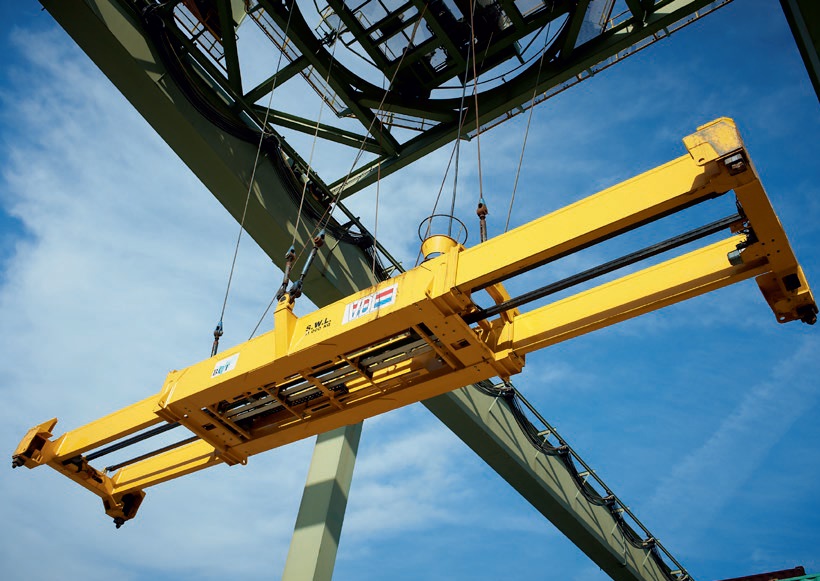
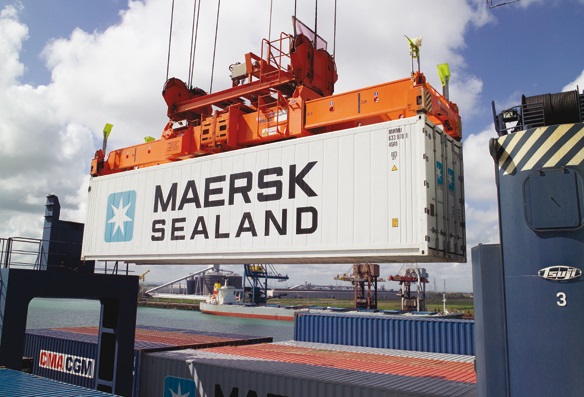
Technical Specifications and Design Details:
1. Modular and Adjustable Structure:-
-
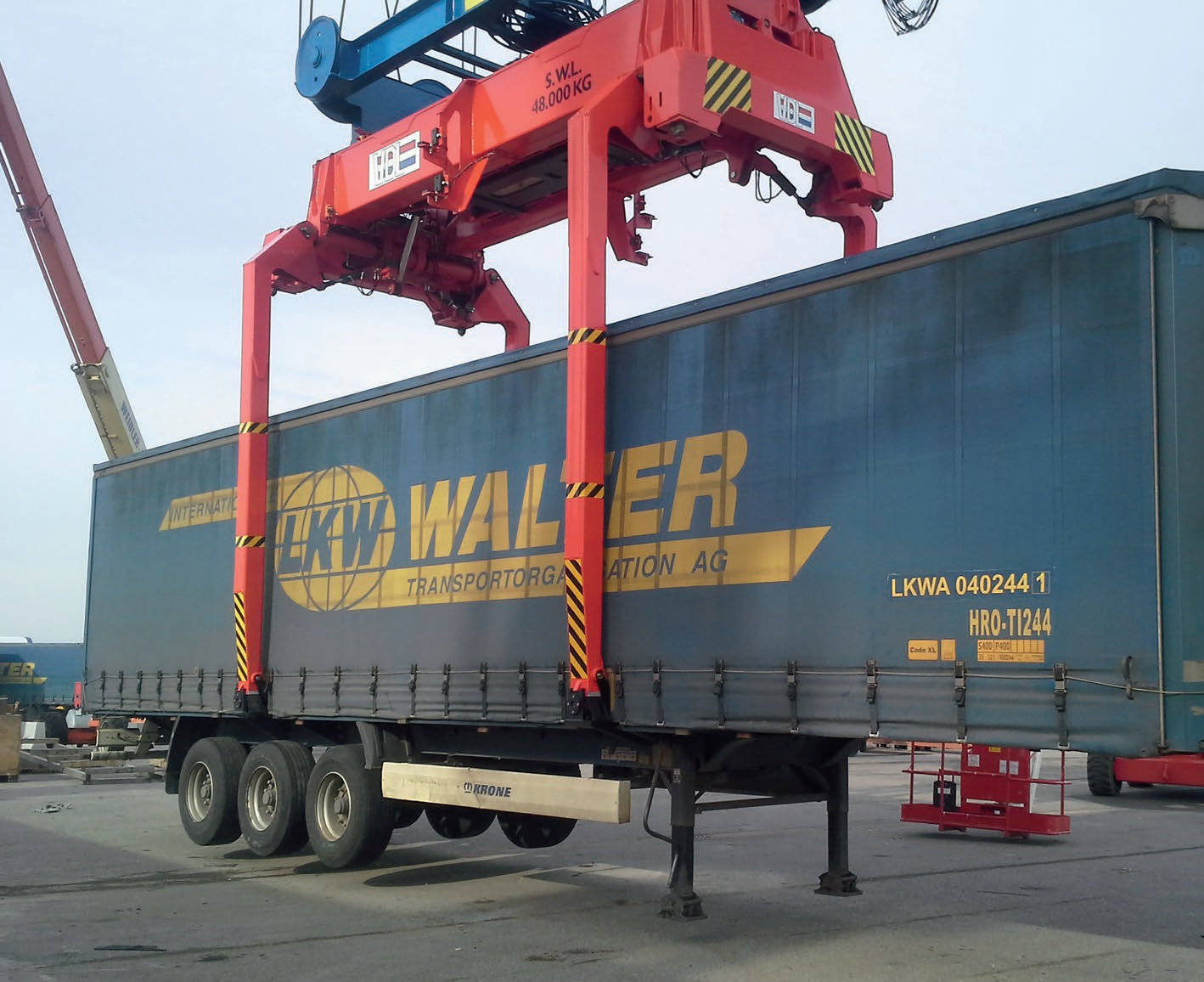
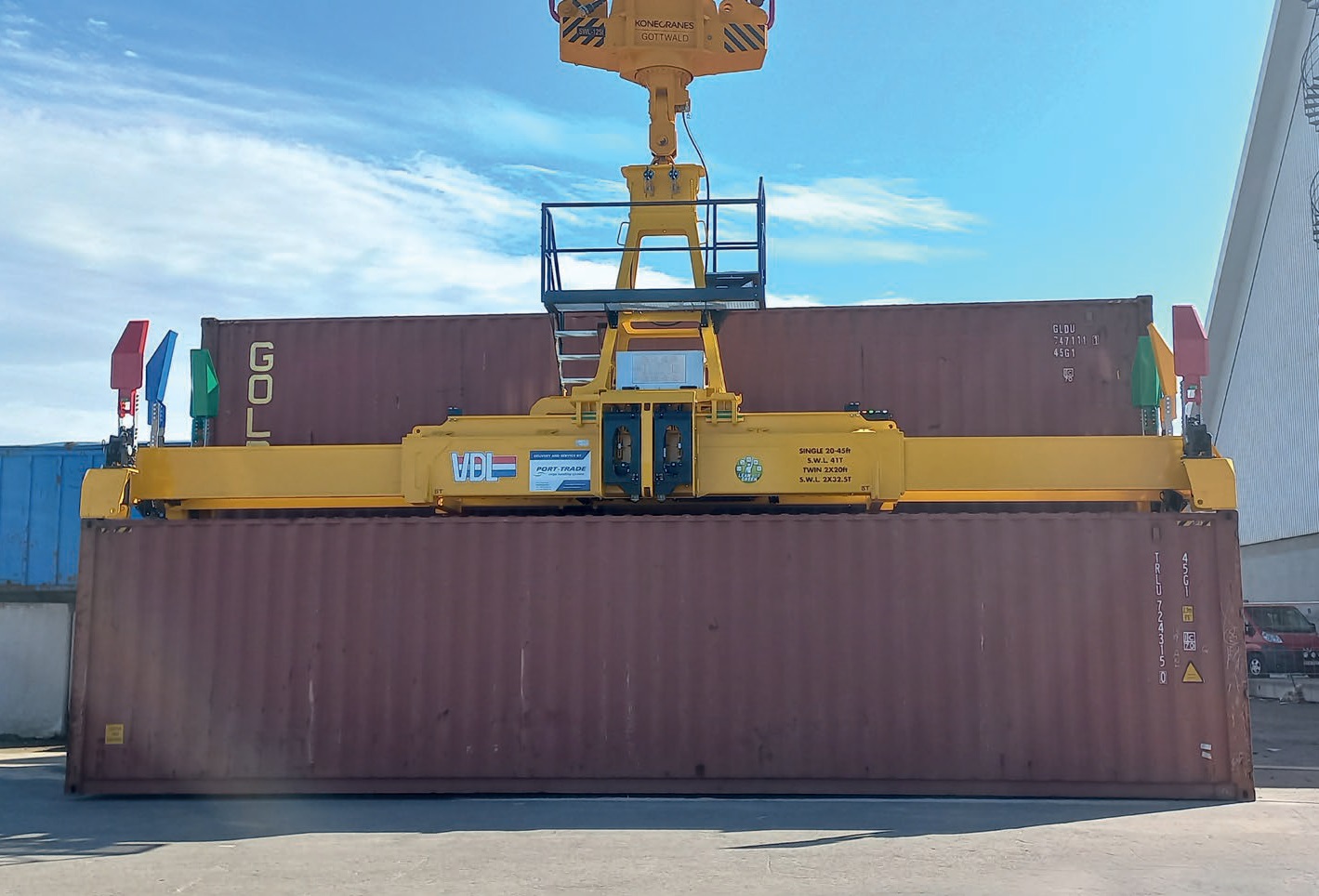
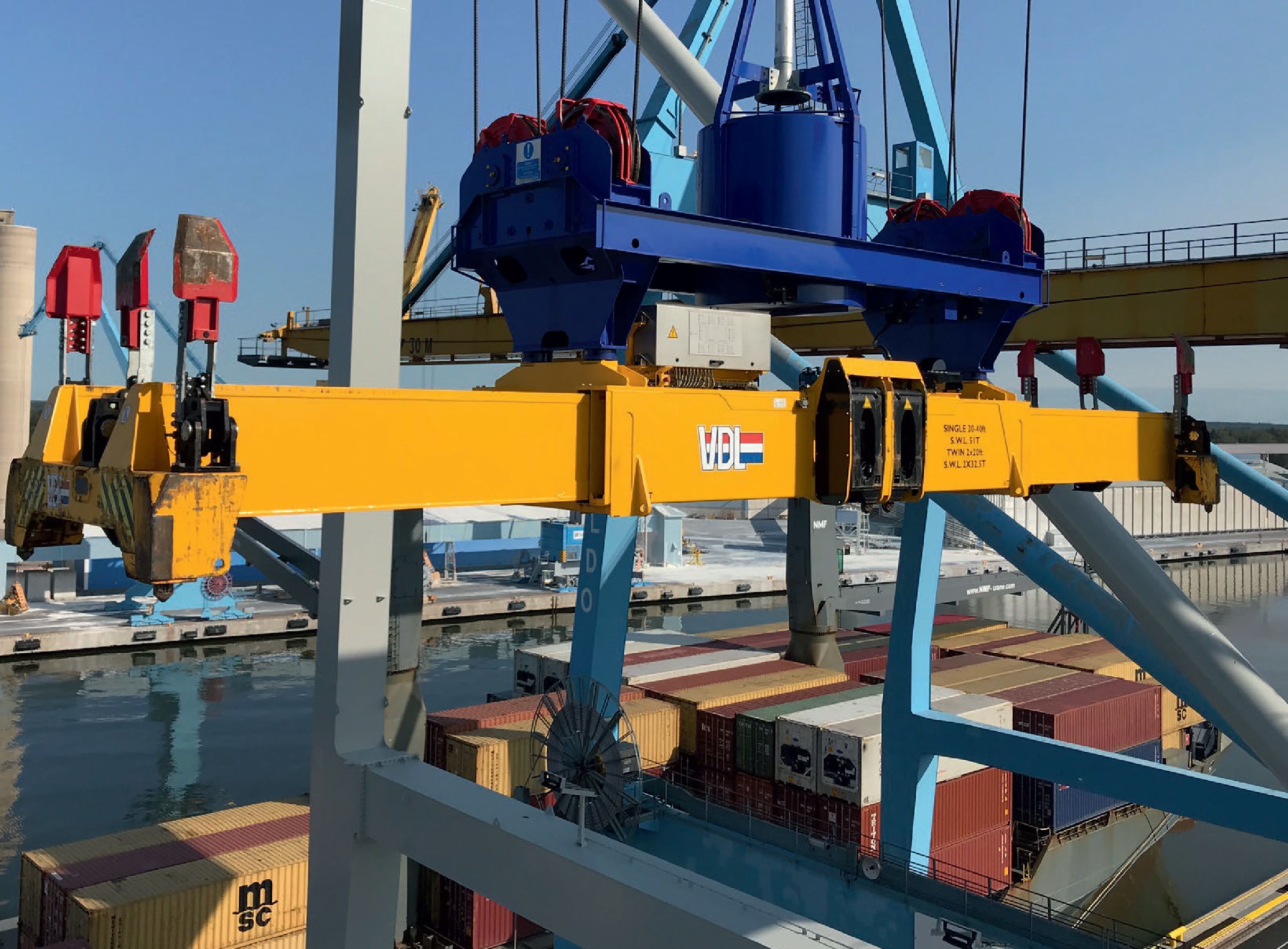
Expandable Design: Container spreader systems are equipped with expandable or adjustable arms to lift 20, 40, or 45-foot containers. This feature allows for rapid adaptation to different container sizes during loading.
-
Modular Structure: Designed with modular components according to different application requirements, facilitating system customization and maintenance processes.
-
-
-
Rotation Mechanisms: Some container spreader systems are designed with rotating arms for better load positioning. These rotatable arms allow for the adjustment of the container’s position.
-
Mechanical and Electronic Control: Modern spreader systems are equipped with advanced sensors and control systems that enable the automation of lifting operations. These systems provide safe lifting by performing automatic balancing based on load weight.
-
3. Material and Construction:
-
-
High-Strength Alloys: Container spreader systems are manufactured from special alloys to ensure high strength and durability. Aluminum and steel alloys, which offer low weight and high durability, are frequently preferred.
-
Wear-Resistant Coatings: They are coated with special materials that provide protection against external factors and wear, ensuring long service life.
-
4. Lifting and Power Systems:
-
-
Robust Hook and Locking Mechanisms: Equipped with strong, wear-resistant hooks to ensure the safe gripping of the load. In some systems, automatic locking mechanisms enhance safety during loading and unloading processes.
-
Load Indicators and Sensors: Equipped with advanced load indicators. This allows operators to monitor instantaneous load weight and prevents overloading.
-
5. Double Hook or Multi-Point Gripping Systems:
-
-
Balanced Load Handling: Some spreader systems are designed with two or more hooks to ensure balanced transport of the load. This design assists in managing wider loads and reducing the risk of load shifting.
-
Application Areas:
-
-
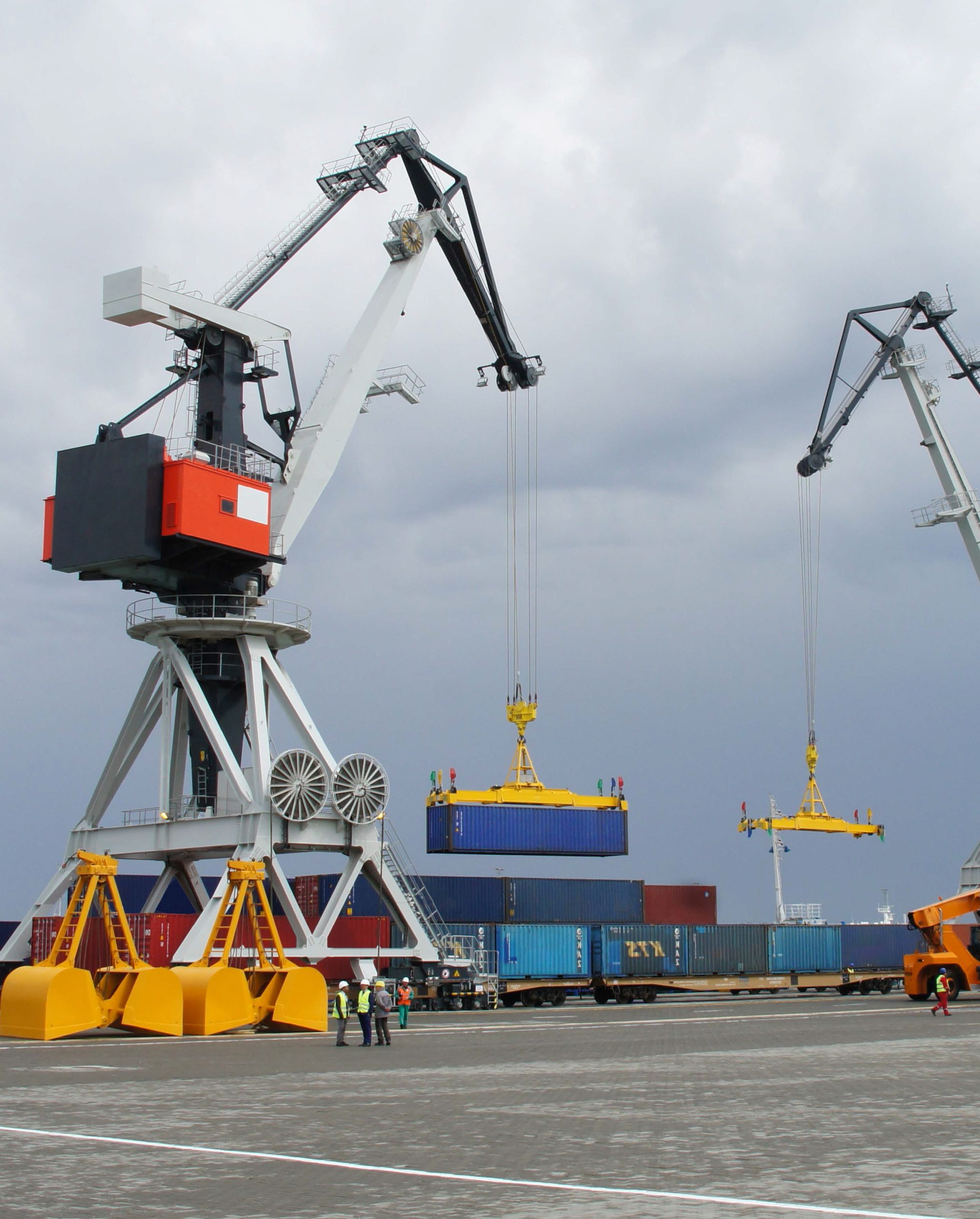
Port Operations: Widely used for container loading and unloading operations in ports. They work in integration with cranes to ensure the efficient and safe transport of containers.
-
Warehousing and Distribution Centers: They enable rapid and safe relocation of containers in logistics processes, thereby increasing operational efficiency.
-
Rail and Road Transport: They assist in the safe management of containers during railway and road transport.
-
Advantages:
-
-
Safety: Minimizes occupational accidents by ensuring the safe lifting of the load. Automatic connection mechanisms allow operators to manage the load safely.
-
Efficiency: Increases overall operational efficiency with fast loading and unloading times. Automatic systems accelerate processes by reducing human intervention.
-
Precision: Offers high precision in assembly, loading, and unloading processes by ensuring the accurate and safe positioning of containers.
-
Container spreader systems are a critical component in today’s logistics and transport processes, supporting the success of modern industrial operations by offering safety, efficiency, and precision.